Providing optimal nutrition is one of the most important responsibilities of a pet owner, yet it's an area fraught with common pitfalls. Many well-intentioned owners inadvertently make dietary choices that can compromise their pet's health, vitality, and longevity. By understanding these frequent mistakes, you can make more informed decisions, ensuring your furry friend thrives on a diet tailored to their specific needs. This guide outlines the most prevalent errors in pet feeding, their potential consequences, and practical steps to correct them.
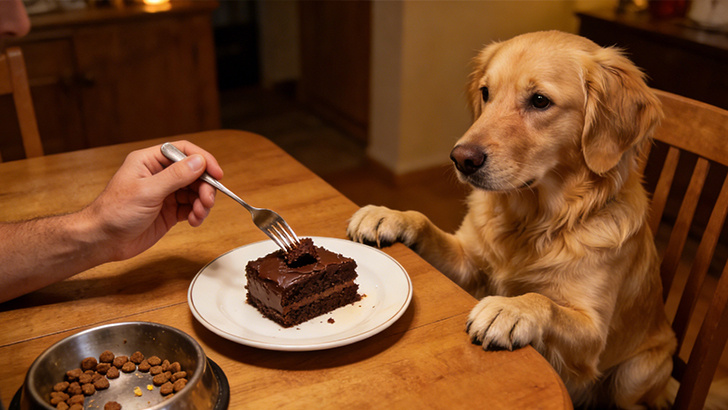
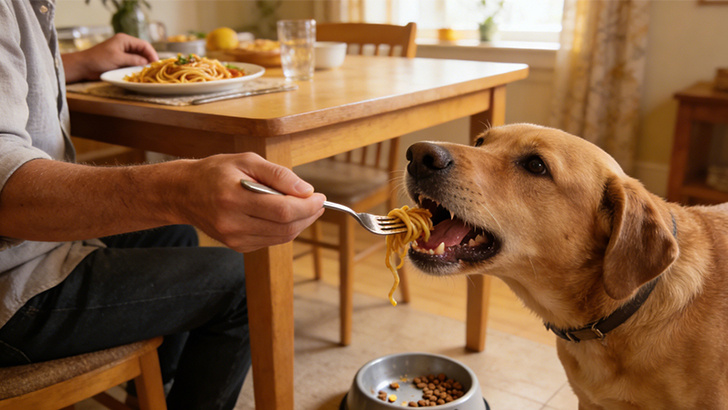
🍖 1. Feeding Too Many Table Scraps and Human Food
Sharing your meal with those pleading eyes is a tough habit to break, but human food is often inappropriate and dangerous for pets. Their digestive systems and nutritional requirements differ vastly from ours.
Why It's a Problem:
- Toxicity: Many common foods are toxic to pets.
- For Dogs: Chocolate, grapes, raisins, onions, garlic, xylitol (a sweetener), and alcohol.
- For Cats: Onions, garlic, chives, alcohol, and raw dough.
- Nutritional Imbalance: Human food disrupts the careful balance of a complete pet food, leading to deficiencies or excesses.
- Obesity and Pancreatitis: Fatty, rich, or salty foods can quickly lead to weight gain and serious conditions like pancreatitis, a painful and potentially fatal inflammation of the pancreas.
- Encourages Begging: This behavior can become a persistent and annoying habit.
How to Correct It:
- Establish a Rule: No food from the table or your plate. Feed all meals and treats in their bowl.
- Use Pet-Safe Alternatives: Offer small pieces of approved vegetables (like carrots or green beans) or commercial treats as rewards, not human food.
- Educate the Household: Ensure all family members and visitors follow the same rule.
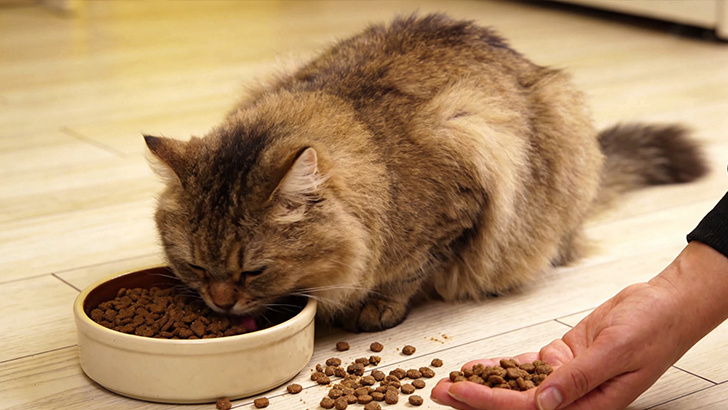
⚖️ 2. Free-Feeding or Incorrect Portion Control
Leaving food out all day (free-feeding) or simply "eyeballing" portions is a primary driver of pet obesity, which is linked to arthritis, diabetes, and heart disease.
Why It's a Problem:
- Weight Gain: Pets will often eat out of boredom, leading to consistent overconsumption.
- Hides Appetite Changes: A sudden loss of appetite is a key early sign of illness. With free-feeding, this critical symptom can go unnoticed for days.
- Food Quality Degradation: Dry food left out loses nutritional value and can become rancid or attract pests.
How to Correct It:
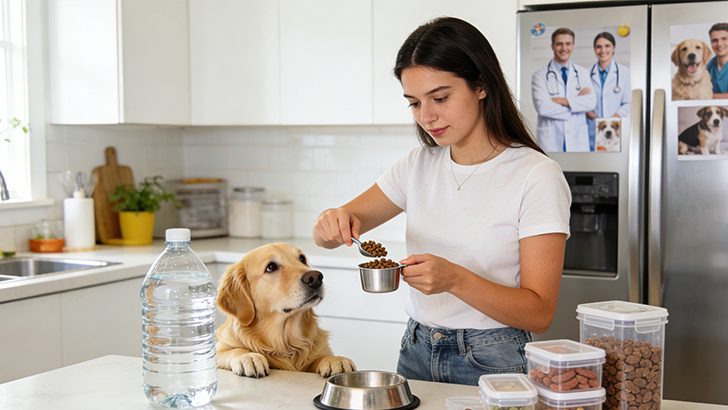
- Measure Meals: Use a standard measuring cup or a kitchen scale for precision. Always follow the feeding guidelines on your pet food bag, adjusting for your pet's age, activity level, and body condition.
- Establish Mealtimes: Feed adult dogs twice a day and cats 2-3 times per day at set times. Remove uneaten food after 20-30 minutes.
- Monitor Body Condition: Regularly feel your pet's ribs (you should be able to feel them easily under a thin layer of fat) and check for a visible waist from above.
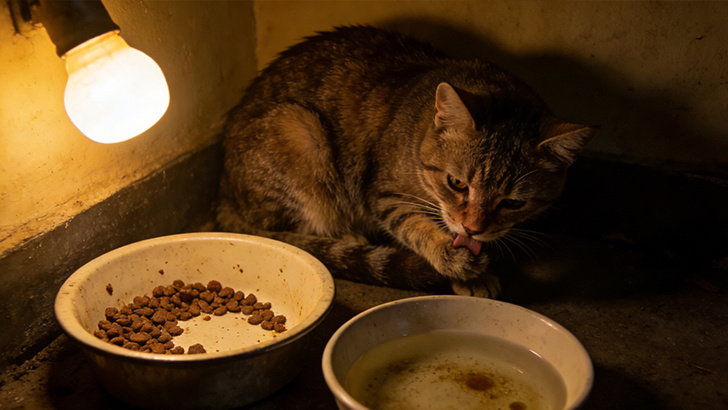
💧 3. Neglecting Hydration Needs
Water is the most critical nutrient. Dehydration can lead to urinary tract issues, kidney stress, and organ failure.
Why It's a Problem:
- Urinary Health: Cats, in particular, are prone to urinary crystals and diseases. Low water intake concentrates urine, exacerbating this risk.
- Kidney Function: All pets need ample water to support kidney filtration and overall metabolism.
- Overlooked Source: Owners often focus solely on food and forget to monitor water bowls.
How to Correct It:
- Multiple Clean Bowls: Provide several fresh water bowls around the house, away from food and litter boxes.
- Consider a Water Fountain: Many pets are attracted to moving water, and fountains encourage drinking.
- Add Moisture to Food: Incorporate wet/canned food into the diet or add water/low-sodium broth to dry kibble.
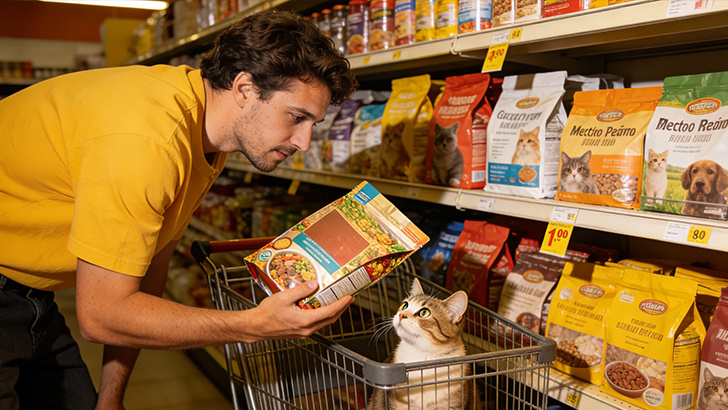
🛒 4. Choosing Food Based on Price or Marketing Alone
Selecting pet food can be overwhelming. Opting for the cheapest bag or the one with the flashiest "all-natural" label can be a disservice to your pet's health.
Why It's a Problem:
- Questionable Ingredients: Budget foods often use fillers (like corn, wheat, soy) with low nutritional value and vague meat by-products.
- Marketing Gimmicks: Terms like "premium," "gourmet," or "natural" are not strictly regulated. A beautiful picture of a steak doesn't mean it's the primary ingredient.
- Lack of Expertise: Most mass-market brands are not formulated by veterinary nutritionists.
How to Correct It:
- Read the Ingredient List & Guaranteed Analysis: Look for a named animal protein (e.g., "chicken," "salmon") as the first ingredient. Understand the protein, fat, and fiber levels.
- Look for an AAFCO Statement: The label should state the food is "formulated to meet the nutritional levels established by the AAFCO Dog (or Cat) Food Nutrient Profiles" for your pet's life stage (e.g., growth, adult maintenance).
- Consult Your Veterinarian: They can recommend brands that meet high standards of research, quality control, and nutritional adequacy for your individual pet.
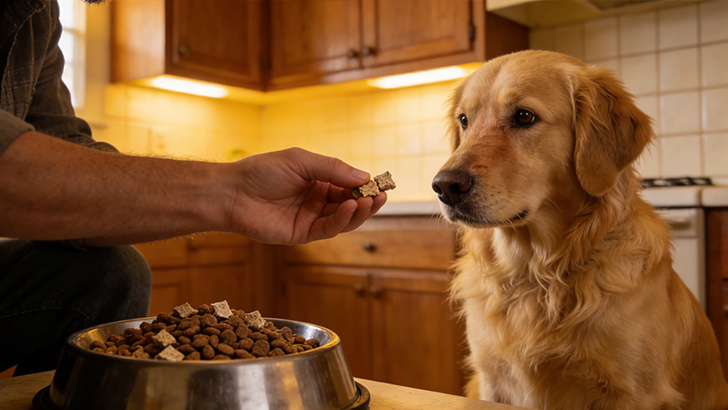
🍪 5. Over-Reliance on Treats
Treats are a powerful training tool and a way to bond, but they should never constitute a significant portion of the daily caloric intake.
Why It's a Problem:
- Calorie Bomb: Treats can be highly calorific. Just a few extras can tip the scales toward weight gain.
- Nutritional Dilution: Filling up on treats means eating less complete and balanced main food.
- Picky Eating: Pets may start holding out for tastier treats instead of their regular meals.
How to Correct It:
- The 10% Rule: Treats should not make up more than 10% of your pet's total daily calories.
- Use Healthy Options: Use pieces of their regular kibble, small bits of lean cooked meat, or commercial treats designed for training (which are often small and low-calorie).
- Non-Food Rewards: Remember that praise, petting, and playtime are also excellent rewards.
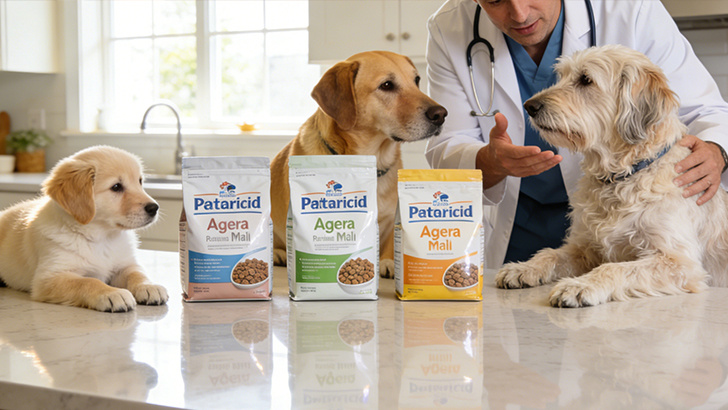
🐾 6. Ignoring Life Stage and Special Dietary Needs
Feeding a one-size-fits-all diet throughout a pet's life ignores their changing physiological requirements.
Why It's a Problem:
- Puppy/Kitten vs. Adult: Growing animals need more protein, fat, and specific minerals like calcium. Adult food won't support optimal growth, and puppy food can make adults fat.
- Senior Pets: Older pets may need food with adjusted protein levels, joint support (glucosamine), and easier digestibility.
- Medical Conditions: Pets with kidney disease, allergies, diabetes, or food sensitivities require therapeutic diets that manage their specific condition. A regular diet can worsen their health.
How to Correct It:
- Feed Age-Appropriate Food: Select food labeled for your pet's correct life stage.
- Schedule Regular Vet Check-ups: Biannual exams for seniors and annual for adults can catch conditions early that necessitate a diet change.
- Follow Veterinary Advice for Prescription Diets: If your vet prescribes a therapeutic diet, use it as directed and avoid mixing with other foods that counteract its purpose.
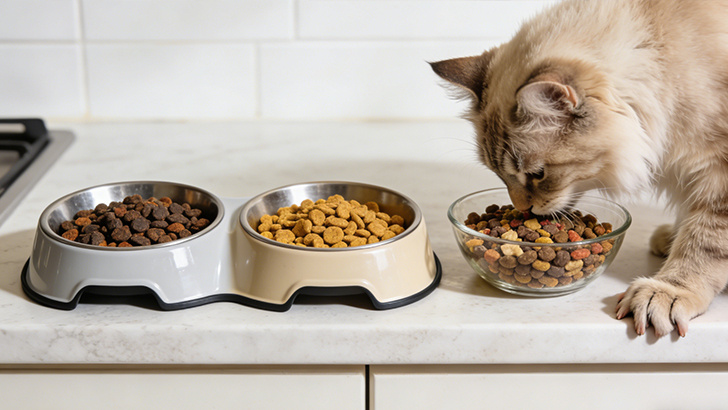
🔄 7. Switching Foods Too Abruptly
A sudden change in diet is a common cause of gastrointestinal upset, including vomiting and diarrhea.
Why It's a Problem:
- Gut Microbiome Disruption: Your pet's digestive system hosts bacteria specialized for their current food. A sudden shift disrupts this balance.
- Stress: Dietary change is a physical stressor that can weaken the immune response.
- Food Intolerance: An abrupt introduction makes it impossible to identify if the new food contains an ingredient your pet is sensitive to.
How to Correct It (The Transition Method):
- Days 1-2: Mix 25% new food with 75% old food.
- Days 3-4: Mix 50% new food with 50% old food.
- Days 5-6: Mix 75% new food with 25% old food.
- Day 7: Feed 100% new food.
- If any digestive issues occur, slow the transition process down.
📚 Conclusion: Becoming a Nutrition-Savvy Pet Owner
Avoiding these common dietary mistakes requires a shift from habit to mindful practice. The cornerstone of good pet nutrition is understanding that food is not just sustenance but foundational medicine. By measuring portions, choosing quality food appropriate for your pet's unique needs, prioritizing hydration, and using treats judiciously, you empower yourself to make the best choices. Always partner with your veterinarian, who can provide personalized guidance based on your pet's health status. The effort you invest in proper nutrition will pay dividends in the form of a healthier, happier, and potentially longer-lived companion. Start auditing your feeding habits today—your pet will thank you for it.