Things That Are Disappearing Because Millennials Refuse to Pay for Them 📉
If you were born between 1981 and 1996, congratulations—you're in the midst of a quiet "economic assassination." You may never have wielded a weapon, but your spending habits are bulldozing the industrial empires your parents once revered. This isn't alarmist rhetoric; it's economic history unfolding in real-time—a generation voting with their wallets, systematically dismantling business models that once seemed unshakeable.
From paper napkins to property deeds, from a proper steak dinner to a marriage certificate, Millennials—this generation labeled "lazy," "avocado toast-obsessed," and "serial industry killers"—are simply asking one question: Is this worth the price tag? Data shows that U.S. Millennials carry over $1.6 trillion in student loan debt. Faced with this crushing burden, they vote with their feet. At the same time, they contend with housing costs 50% higher than their parents' generation, stagnant wages, and an uncertain future. In this context, "non-essential consumption" is the first to be cut.
Today, we're cataloging 36 things that are on the verge of extinction thanks to Millennials. This is more than just a "disappearance list"; it's a social history of clashing generational values. Behind every fading item lies a fundamental reckoning over money, time, and meaning.
🍷 1. The Stiff Formality of "Fine Dining"
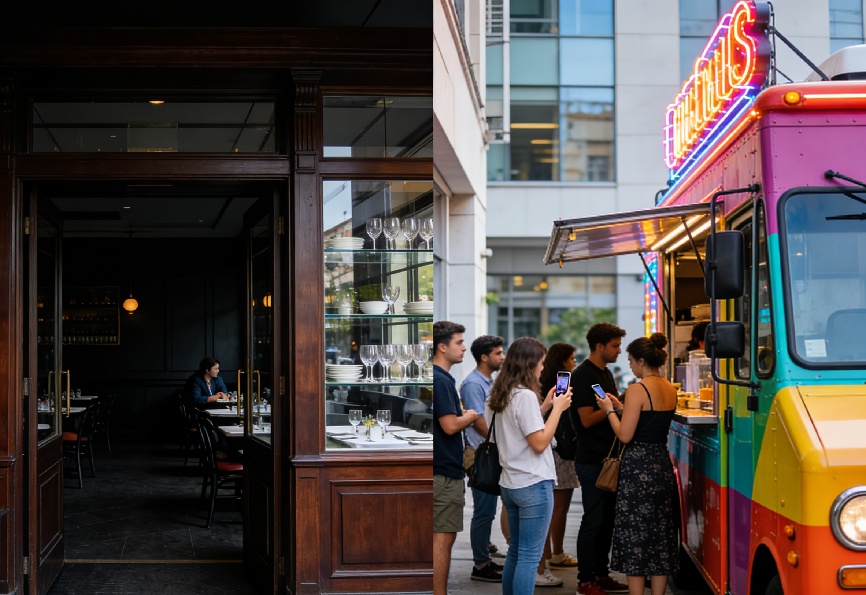
Once upon a time, dining at a French restaurant with white tablecloths, a sommelier, and a 12-course tasting menu was the hallmark of success—the default for business dinners and anniversary dates. Millennials, however, scoff at it. They'd rather spend the same money waiting two hours in line at a viral food truck or hitting a dimly lit izakaya with a hip-hop soundtrack. The reason is simple: the "pressure" of fine dining makes them uncomfortable—the arcane rules of utensil usage, the condescending glances from waitstaff, and a bill that starts at $200 per person for artfully arranged plates that leave them hungry. Since 2013, foot traffic at U.S. "fine dining" establishments has dropped nearly 20%, while the "fast-casual" sector has surged by 35%. One Millennial told the Wall Street Journal bluntly: "If I can't wear my Air Jordans in, that meal has no soul. I'd rather spend 50 bucks on an authentic bowl of ramen than 500 bucks on food that looks like art but tastes like air." This push for "de-ritualization" has led to over 2,000 fine dining restaurants closing their doors in the U.S. over the past five years.
🥩 2. The "Tears of Time" for Casual Dining Chains
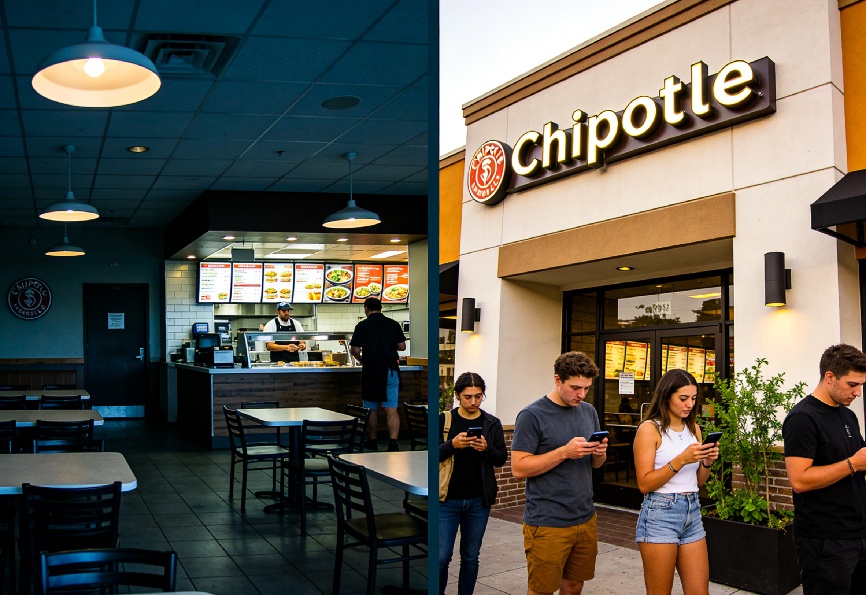
Restaurants like Ruby Tuesday, Applebee's, and Chili's—once ubiquitous in American suburbs—are shuttering at an alarming rate. These "casual dining" giants have closed over 1,500 locations in the past decade, with market values plummeting nearly 70%. In the eyes of Millennials, these places serve little more than "microwaved frozen food" while charging premium prices for supposedly "freshly prepared" meals—a frozen steak with frozen fries and mass-produced salad dressing for a whopping $25. They'd rather build their own bowl at Chipotle (even if it looks like slop, at least it's fresh) or get a freshly chopped salad at Sweetgreen. More importantly, Millennials have an almost obsessive demand for "transparency"—they want to know where food comes from, if it's GMO-free, its carbon footprint. The standardized supply chains of these chains can't satisfy this craving for "informed consumption."