🔑 36. The "Physical Disappearance" of House Keys
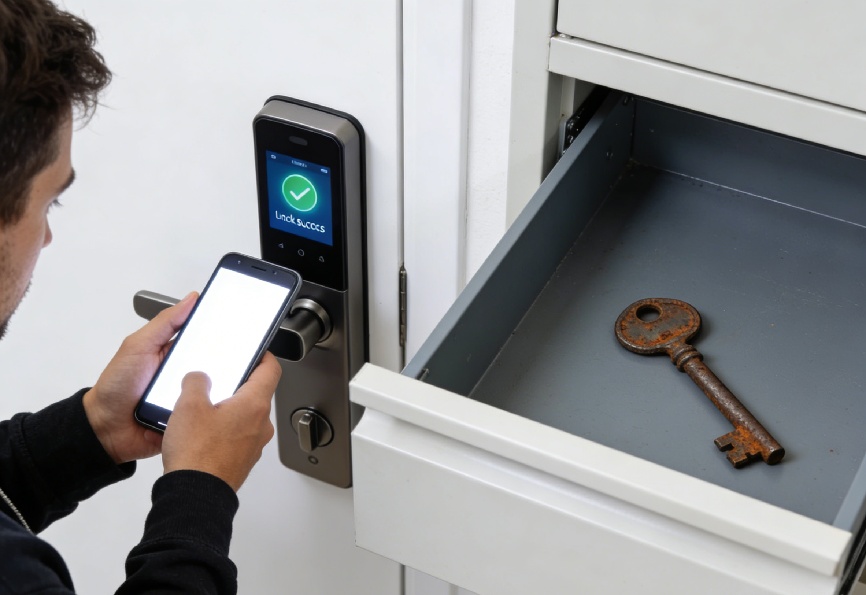
Here's an interesting one: Millennials are making traditional metal keys vanish. They prefer smart locks, phone app entry, or fingerprint scanners. Carrying a key is seen as a "mental burden"—easy to lose, easy to forget. A house without a smart lock feels, to them, somehow "not modern enough." Smart lock penetration in U.S. homes has risen from 3% in 2015 to over 15% today, projected to reach 25% by 2025. A Millennial homeowner said: "The last time I used a physical key was two years ago. Now my door unlocks with my phone, my fingerprint, even Siri. Keys? That's my parents' generation's thing."
This long list is less about "killing" and more about "evolution." Millennials aren't stingy; they're simply reallocating their budgets to what truly matters to them: authentic experiences, flexible lifestyles, digital convenience, and the freedom of time. They refuse to pay for things they deem "not worth it," whether diamonds, suits, or cable TV. What parents see as "killing tradition," Millennials see simply as "living consciously."
When older generations lament "the decline of society," Millennials just shrug and keep scrolling on their phones, looking for the next subscription service worth paying for. Those things that are disappearing perhaps never belonged in this era anyway—because the values they were built on have been redefined by this generation. And this consumption revolution, led by Millennials, is far from over. As they become the backbone of society, more industries will be dismantled and rebuilt. But one thing is certain: the future belongs to business models that truly understand what this generation wants.