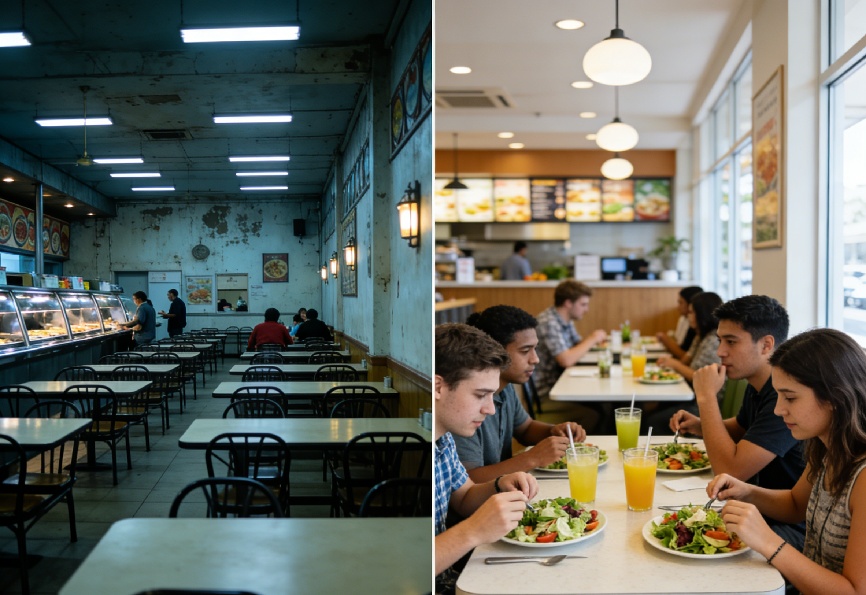
🥄 6. The "Last Supper" of All-You-Can-Eat Buffets
The culture of "waddling in, waddling out" buffets has fizzled out with Millennials. Reason one: stuffing yourself sick to get your money's worth clashes with their "healthy living" and "mindful eating" personas. Reason two: seeing mountains of wasted food induces guilt—U.S. buffets waste an average of over 150 pounds of food daily, a reality deeply unsettling to the environmentally conscious Millennial. Reason three: post-pandemic, the sight of communal serving spoons screams "germs" to them. This hygiene anxiety has effectively sentenced the buffet model to death. The once-mighty "Golden Corral" chain has seen its footprint shrink, and similar concepts are struggling globally. A veteran restaurant consultant reflects: "The death of the buffet marks the end of an era—the food-scarcity mindset of 'quantity over quality' has finally been erased from consumer culture by Millennials."
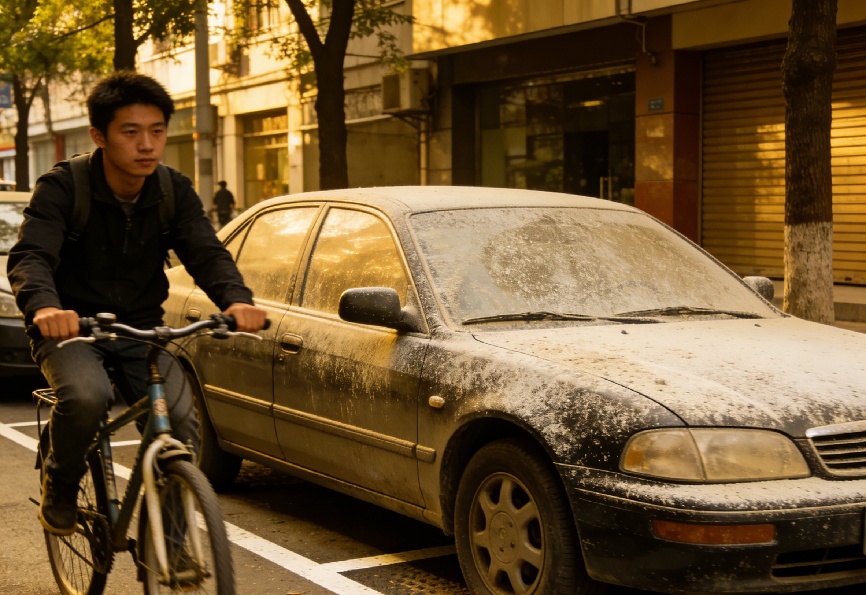
🚗 7. The "Downgrade" of Car Ownership
For previous generations, getting a driver's license and buying a car—preferably a pickup or SUV—was a rite of passage, a symbol of freedom and independence. But for Millennials burdened by student debt, living in congested cities, and hating the hassle of parking, owning a car feels like self-inflicted punishment. They prefer living downtown, using bike-shares, ride-hailing apps, or car-sharing services like Zipcar. Between 2007 and 2017, the percentage of young Americans purchasing cars dropped from 55% to 38%, a decline of nearly 30%. The proportion of 16-year-olds with a driver's license fell from 46% in 1983 to 26% in 2018. The car has transformed from a status symbol to a pure "depreciating liability"—loans, insurance, parking fees, maintenance, with the vehicle sitting idle 95% of the time. One Millennial who ditched car ownership tweeted: "I did the math. If I invest the money I'd spend on a car, I'll be a millionaire in 30 years. My car would be a pile of scrap metal." The tweet got over 200,000 retweets, echoing a generation's sentiment.
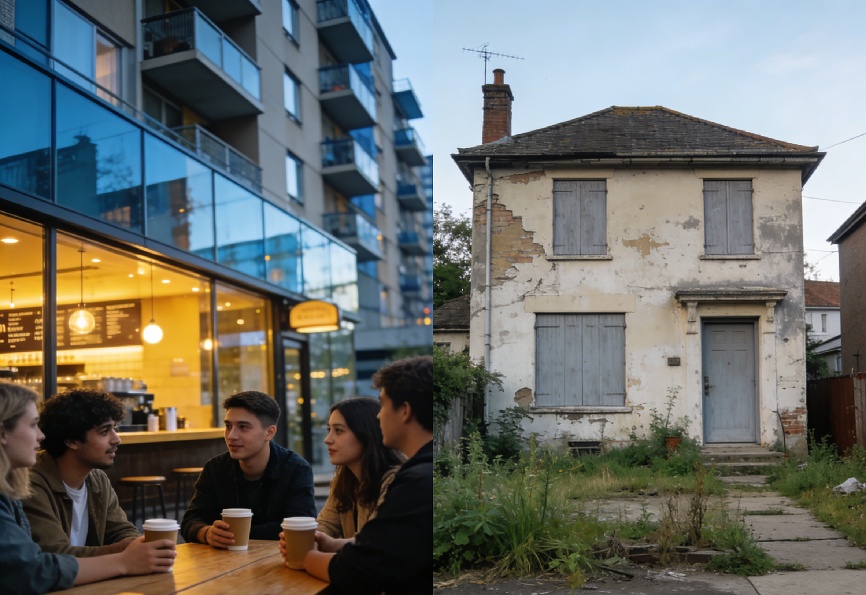
🏘️ 8. The Suburban House: A Prelude to "Lonely Deaths"
The Baby Boomer dream—a "big house in the suburbs with a garden, two cars, and 2.5 kids"—looks to Millennials like a "commuting hellscape" and a "social desert." They'd rather pay exorbitant rent for a tiny downtown apartment, just to have coffee shops, bars, and the chance to bump into friends on the corner. This urban-centric preference has caused prices for older suburban single-family homes to plummet, even creating the spectacle of $1 homes in "Rust Belt" cities like Detroit and Cleveland, sold to avoid property taxes. Meanwhile, apartment occupancy rates in major U.S. cities are at historic highs, with rents rising over 60% in the past decade. Urban planning experts note: "Millennials are reshaping American cities. They're voting with their feet, declaring the end of the 'suburbanization' era and the dawn of a new 're-urbanization' epoch." Those white picket fences and manicured lawns are now hard-to-sell relics.