📺 9. The "Cord-Cutting" Wave for Cable TV
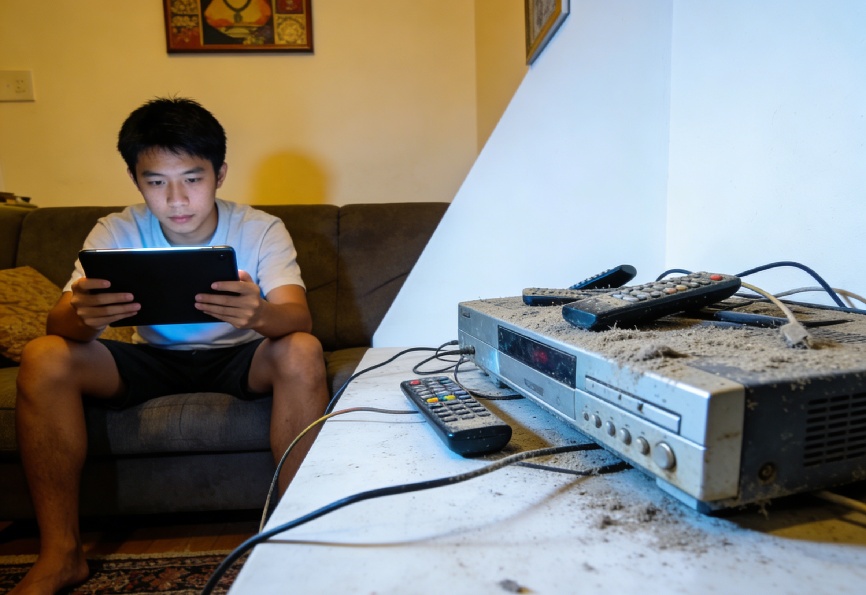
This is perhaps one of the most famous industries "killed." Millennials refuse to pay over $100 a month—the average U.S. cable bill—for hundreds of channels they never watch (over 60%, by some estimates). They subscribe to Netflix, Disney+, HBO Max, Hulu, watching what they want, when they want, where they want, ad-free. Since 2011, pay-TV has lost over 25 million subscribers, a trend driven almost entirely by Millennials. In 2022, the number of U.S. streaming subscribers surpassed cable subscribers for the first time. More lethally, Millennials have invented "subscription cycling"—subscribe to Netflix this month, cancel for HBO next month, then drop it, never paying a cent more than necessary. Media analysts call this "the savvy survival strategy in the age of subscription fatigue." An industry executive lamented on an earnings call: "We spent 50 years building the pay-TV empire. Millennials dismantled it in a decade."
💍 10. Diamonds: The "Intelligence Tax"
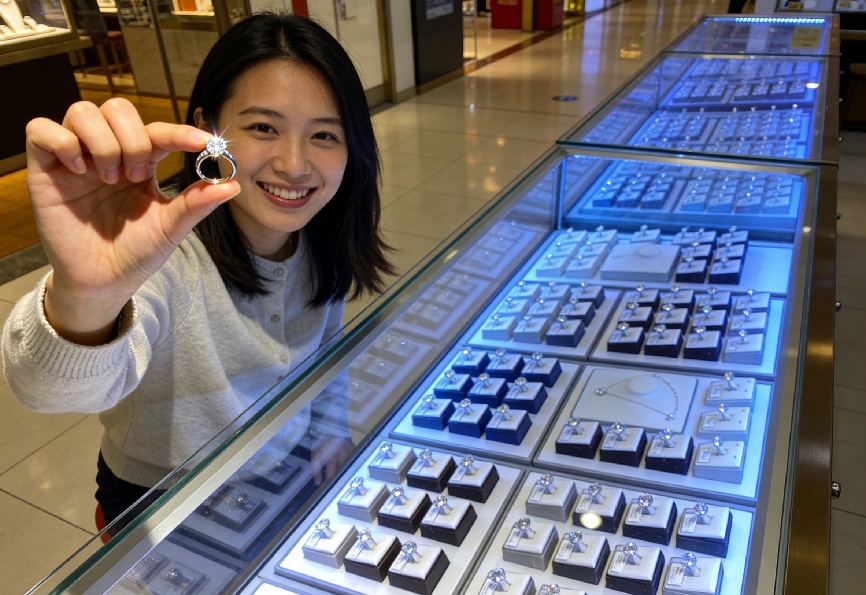
"A diamond is forever"—De Beers' 1947 marketing slogan was once the most successful ad copy in the world. But it has lost its luster with Millennials. They know it's just carbon, with a backstory of "blood diamonds" and manufactured scarcity. In 2018, sales of lab-grown diamonds surged 15%, while the natural diamond market contracted, with prices falling over 20% from their 2011 peak. Millennials are opting for lab-grown stones (about 30% of the price of natural diamonds), moissanite, or simply using that ring money for a down payment on a house. A newly engaged Millennial woman wrote on Reddit: "My engagement ring is lab-grown; no one can tell the difference. The $20,000 we saved paid for our honeymoon in Europe and part of our house down payment. I'd rather have a home than a rock." The post garnered 50,000 upvotes, signaling the end of an era for the diamond industry.
📞 11. The Death of the "Phone Marathon"
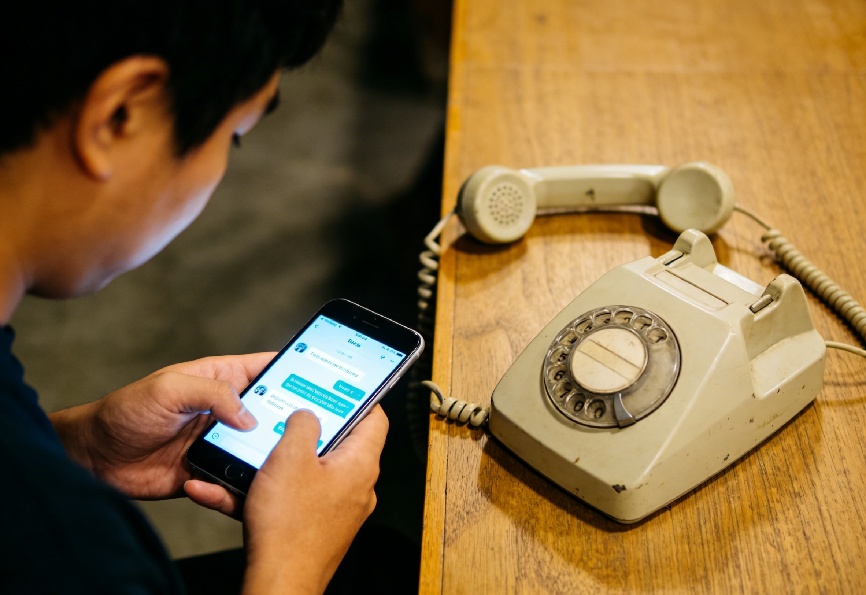
For older generations, the hallmark of a serious relationship was the "phone marathon"—talking for hours until the phone line nearly melted. Millennials, however, suffer from "phone call anxiety." Unless it's a delivery or an emergency, their first reaction to a ring is: "Why didn't you text?" A survey found over 60% of Millennials feel anxious when receiving an unexpected call. They prefer the freedom to craft the perfect response via text, rather than exposing nervousness or awkwardness in real time. Landlines have vanished from young adults' homes—U.S. landline penetration has dropped from 90% in 2004 to below 35%. Mobile call minutes are declining annually, while text-based messaging via SMS, WhatsApp, WeChat, and iMessage is exploding. A psychologist explains: "Texting gives Millennials the chance to 'edit' themselves, carefully choosing words to project a more curated image. Phone calls, with their demand for real-time exposure, feel intrusive to this generation."