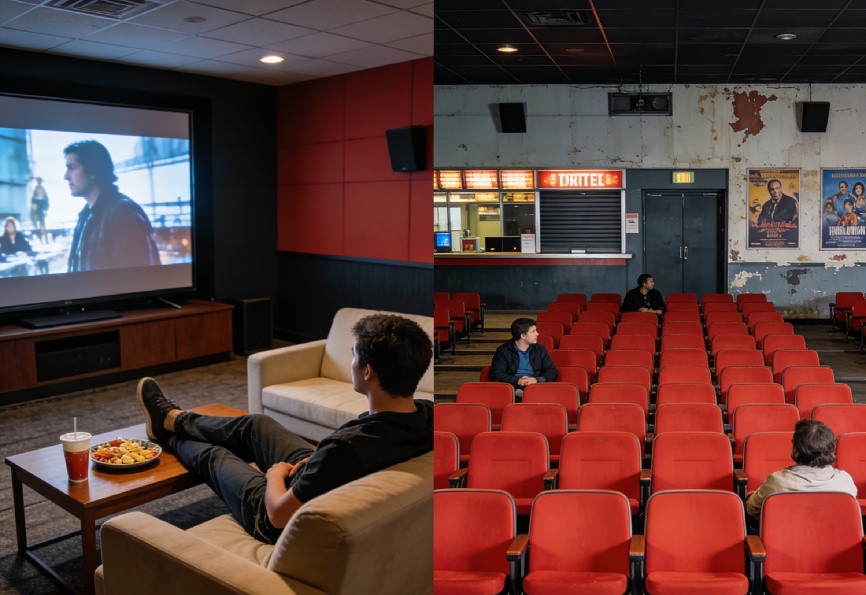
🎬 15. The "Living Room-ification" of Movie Theaters
While occasional blockbusters like Avengers: Endgame temporarily lure young people back, the overall trend is clear: Millennials are going to the movies less frequently. According to the Motion Picture Association, annual cinema attendance for the 18-24 age group was 4.8 times in 2019 (pre-pandemic), down from 8.3 times in 2000—a nearly 50% drop. The reason is simple: the 75-inch 4K TV at home is too appealing. Watching Netflix while eating takeout, with the ability to pause for bathroom breaks, beats enduring noisy neighbors and $8 small popcorns. The pandemic accelerated the trend, with Hollywood shortening theatrical windows or releasing directly to streaming, further training Millennials to watch at home. A cinema chain CEO lamented: "Millennials are turning movie theaters into a special venue only for blockbusters. For art films, dramas, they've already given up on seeing them in cinemas."
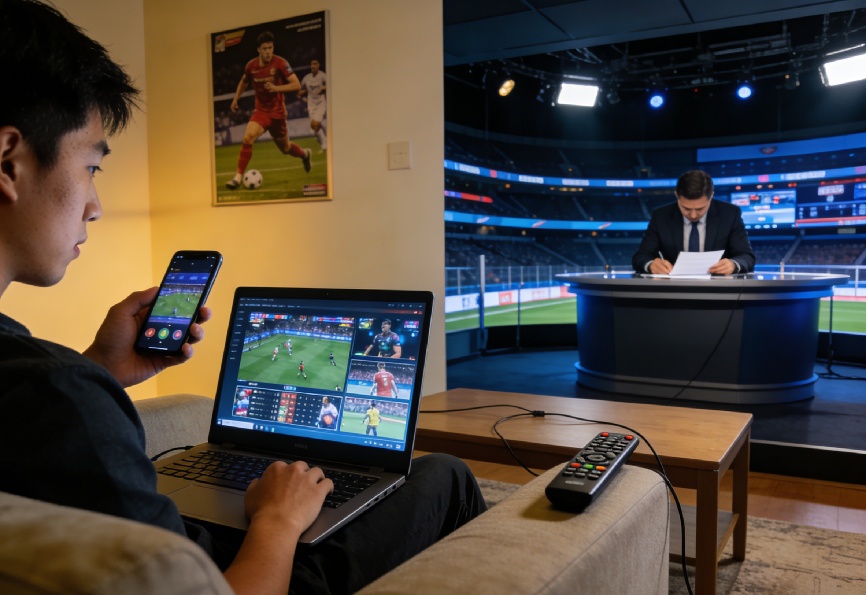
🏆 16. The "Bubble" of Cable Sports
ESPN was once Disney's crown jewel cash cow, but Millennials aren't as interested in traditional "SportsCenter" programming. They prefer watching highlights on YouTube (for free) or gaming streams on Twitch. ESPN's subscriber base has fallen from 100 million in 2011 to under 75 million today—a loss of 25 million paying customers. As Millennials abandon cable packages that include sports channels, the bubble of astronomical sports broadcast rights could burst at any moment. The NFL currently takes in about $7 billion annually from TV, the NBA about $2.4 billion. How long can these numbers hold? A sports business analyst warns: "Millennials are telling sports leagues with their cord-cutting: either move your content to streaming, or we won't watch. This is the largest audience migration in history."

📚 17. Hardcovers: "Bookshelf Decor"
Physical books haven't died, but expensive, heavy, space-hogging "hardcovers" are being abandoned by Millennials. According to the Association of American Publishers, hardcover sales have declined 25% in the past decade, while paperbacks and e-books have steadily gained market share. Millennials either buy cheaper e-books (often 50% less than hardcovers on Kindle) or lightweight paperbacks, reasoning that "hardcovers are useless except for gathering dust on shelves and breaking my back when I move." The collapse of Barnes & Noble is testament—the once-largest U.S. bookstore chain was acquired by a hedge fund for $683 million in 2019, having already closed over 400 stores. A literary critic observes: "Millennials have downgraded books from 'collectibles' to mere 'information carriers.' For the publishing industry, this is an earthquake in value systems."