
🎨 18. Traditional Museums: "Check-in Consumption"
Millennials aren't avoiding museums altogether; they're refusing to pay for the sake of "art appreciation." They flock to "Instagram-bait" exhibitions designed specifically for photos (like the Museum of Ice Cream, Color Factory, or immersive TeamLab shows), gladly paying $30-$40 because they're guaranteed great content. As for institutions like the Met or the Louvre? They only visit on free "museum nights." In 2018, the Metropolitan Museum of Art was forced to abandon its "suggested admission" policy and enforce mandatory fees because too many Millennial visitors were literally paying 1 cent. For them, the consumption of art has fundamentally shifted: Experience matters more than possession; photos matter more than observation; social currency matters more than cultural capital. A museum director lamented: "Millennials walk into the gallery, but their eyes are on their phone screens, not the art. They snap a photo, post it on Instagram, and leave. The whole process takes less than 20 minutes. How do we charge visitors like that?"
💎 19. Life Insurance: A "Curse"?
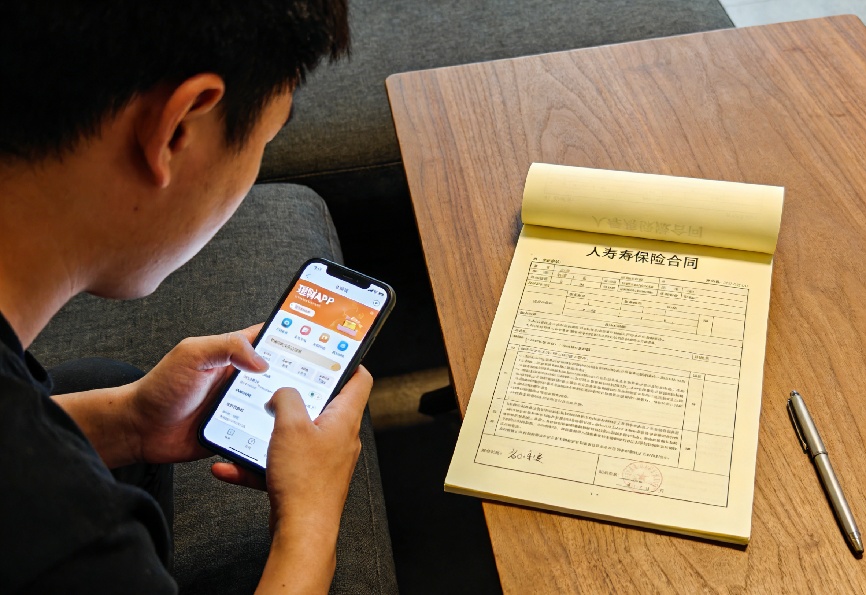
For previous generations, buying life insurance was a sign of familial responsibility—a safety net: "If I'm gone, you'll still be okay." Millennials, however, resist it. First, some view it as tempting fate—a superstitious aversion to insuring against death. Second, saddled with massive debt (student loans, credit cards), they feel they're the ones who need insurance, not that they have dependents to protect. Third, they trust internet investing and index funds more than an insurance agent's sales pitch. Life insurance ownership among U.S. Millennials is 30% lower than the previous generation at the same age. An insurance executive admitted: "We tried appealing with 'love and responsibility.' They asked back: 'I can barely support myself—what love and responsibility are you talking about?' We were speechless."

🏦 20. The "Brick and Mortar" of Traditional Banks
Millennials might visit a physical bank branch once a year, if that. They use online-only banks like Chime and Ally, and transfer money via Venmo, PayPal, or Cash App. To them, standing in line, filling out forms, and waiting for a teller feels like a ritual from the Stone Age. This has driven major U.S. banks to close thousands of branches—over 2,000 closed in 2019 alone. JPMorgan Chase, Bank of America, and others are now pivoting resources to mobile app development. A Millennial on Reddit wrote: "Last time I stepped into a bank was 2017, to open an account. Then I found Chime—5 minutes online, no monthly fees. What's the point of physical banks? So tellers can pitch me credit cards I don't want?"